Welcome to The BIG Scan!

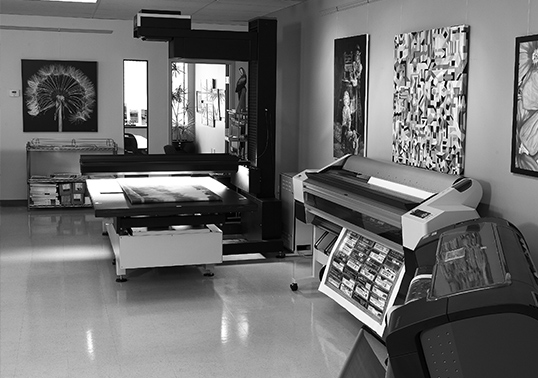
The BIG Scan specializes in providing oversize scans for the Reprographic, Fine Art Reproduction, Photo and Exhibit markets.

We produce the highest quality scans from original materials up to 48″ x 72″ in one pass, even larger with our multi-pass scanning and stitching technology.

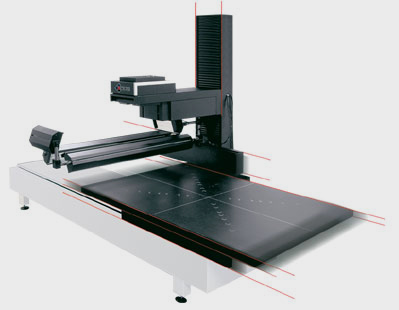
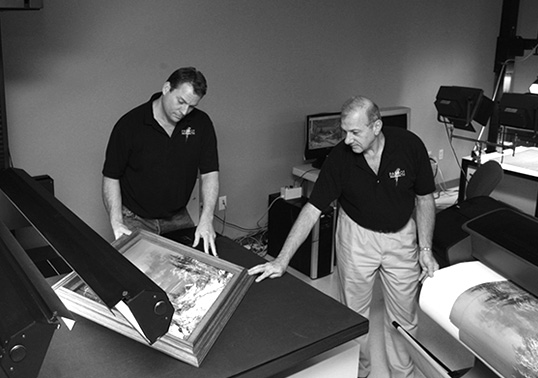
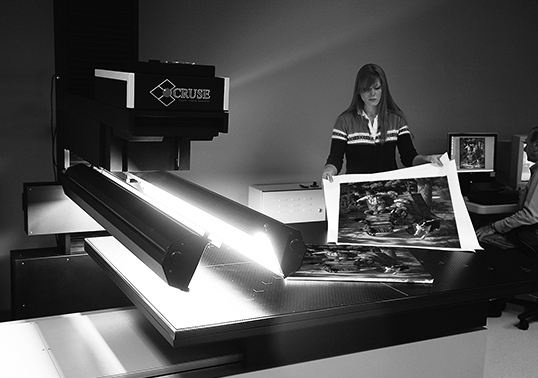
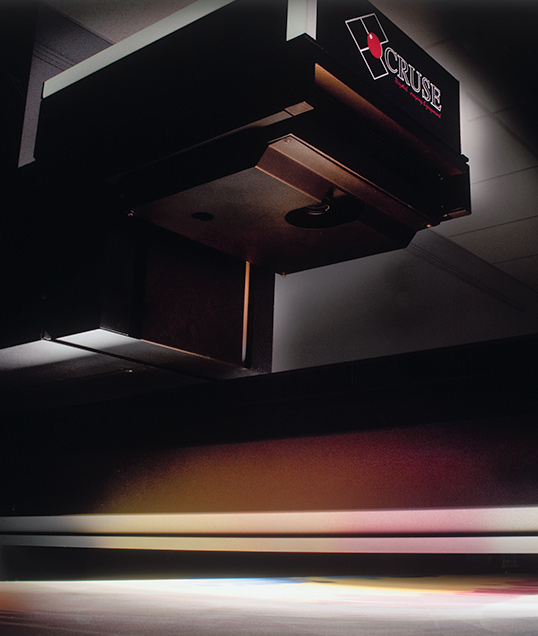
The cornerstone of our service rests on the Cruse Synchron Camera/Scanner technology, a scanning system that is truly unique for many reasons.  See more about the Cruse system here, complete with videos of the Cruse at work on everything from delicate, irreplaceable textiles to pinball tables and more.

The Cruse surpasses any oversized capture technology available, and in particular, surpasses traditional copy photography techniques.

  • The Cruse lighting system allows more precision, more control.
  • The Cruse will never damage the work.
  • The Cruse is faster, and safer, and less expensive than copy photography.

We offer complete large format scanning capabilities, including:

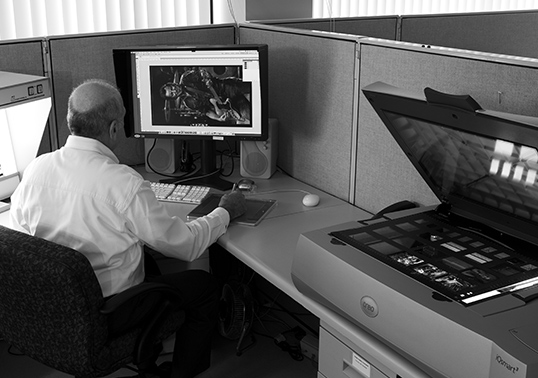
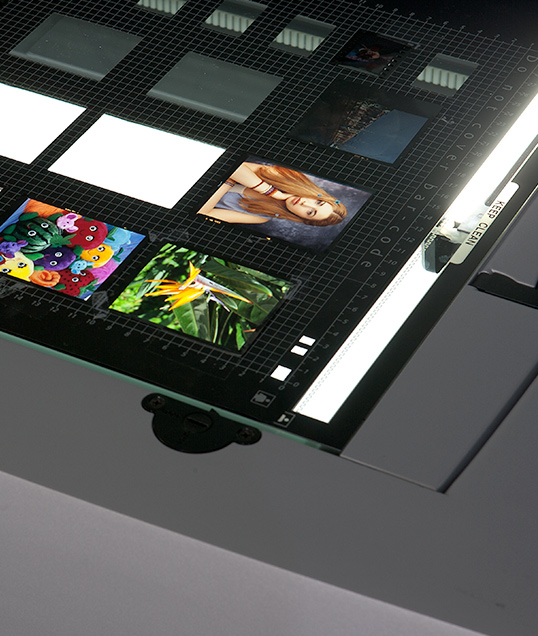
  • Large Format film and transparency scanning up to 12″ x 18″
  • Low-cost “Lighting Correct”* flatbed scanning up to 12″ x 18″
  • Glass-plate scanning, framed slides, line art
  • Retouching services

Learn more about our services here:

*Lighting Correct scanning is a system of scanning that controls the direction and quality of the light source, providing a truly photographic representation of the original- only available from The BIG Scan.

Scan Pricing at The BIG Scan

The BIG Scan’s pricing is simple, it’s based on the dimensions of your original:

Cruse Scanner Pricing:

Longest Side Price
Up to 18″ $110
19″ to 30″ $135
31″ to 48″ $200
48″ to 72″ $250
Over 72″ by quote

Add $12 recording and verification fee, for CD/DVD per job.

Scan pricing is for 300ppi scans at 8-bit.  Other resolutions and 16-bit scan pricing available on request.

Retouching is quoted on a per-job basis @ $150/hour.

Contact The BIG Scan

Contact The BIG Scan for more information, here: Boston New England Massachusetts Northeast Worcester New Hampshire 

The BIG Scan Art Scans
c/o Parrot Digigraphic, Ltd.
630 Boston Road
Billerica, MA 01821
Phone: 978.670.7766 Ext 225

email The BIG Scan here

art scans boston, art scans new england, fine art, giclee, 3D, large, format scans, blueprints, maps

The Secret of the Cruse? One Word. Lighting.

There’s one simple reason why the Cruse Camera is better than anything else.  It’s the lighting.

If you have some experience with copy and repro photography, some of this may be old hat, but bear with me.  I guarantee a “Eureka!” moment.  If this is new, then hopefully it’s helpful in understanding some of the basic principles of reproducing flat art.

Let’s start with how it’s done traditionally.  Here’s a top-of-the-line repro copy stand with a standard four-light array.

If you’re following along at home, the formula is this: Each light is 45º off the axis of the table, measured from the center.  Each light is the same distance from the center point of the table.  Here’s a secret of getting balanced lighting- you aim each light at the far side of the table. This helps overcome the Inverse Square Law.

Oh, snap.  Math.  Well, simply put, the Inverse Square Law is a basic law of Physics, and without all the math it means that your light falls off really fast as you move further away from it.  It’s drops faster than just the distance, that is, moving something twice as far away cuts the light not by half, but by four times…  that is, the light at twice the distance is 1/4 the intensity.  Note the arrows, and the distance of the table from each light.  See the problem? Even from this rough diagram, the distance from one light to the far side is more than twice the distance to the near side of the table. There’s a ton of difference in the resulting luminance.

Here’s a basic diagram of a traditional copy setup, from the camera’s eye.


That’s the table where the art is going to sit, and those four blocks are the lights.  Now.  Because of the Laws of Physics, here’s what the lighting pattern is going to look like…  exaggerated for the sake of clarity, but nonetheless, this is what we’re fighting.


It really doesn’t matter what you do, at some level you’re going to be dealing with the basic Laws of Physics.  I know.  I don’t like Physics either.

Let’s take a look at the Cruse system and see how it’s different.

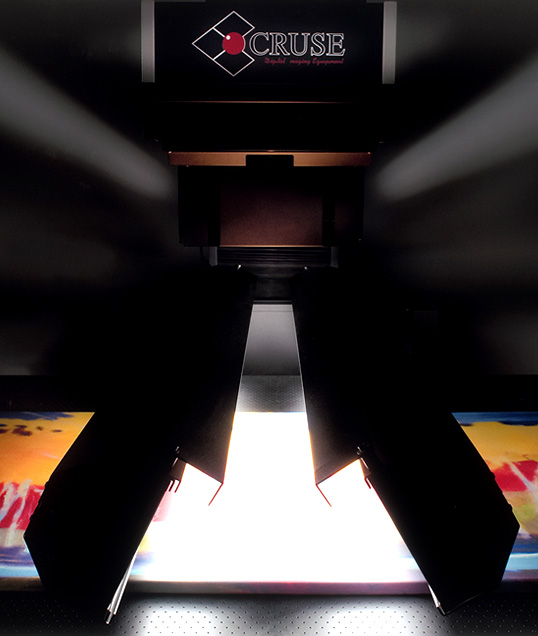
Here’s the lighting array, with the two strip lights centered on the sample area- literally only inches wide.


Here’s what the lighting pattern looks like:


…getting the idea here?  You have a completely even lighting pattern from one side of the piece to the other, but, more importantly, because the lights are so close and the sample area is so narrow, the intensity of the light is perfectly even.  The issue of the distance of the light from the subject no longer matters, since it’s virtually the same from one side of the sample area to the other.  This is called using Math for Good…  not for Evil.

Here are three shots simulating the Cruse making a scan.


And…  the final scan simulating the lighting:


See what we’re talking about?  Dead-even light from side to side, from top to bottom, without any sort of tricks, plugins or workarounds.

Here’s the cool part.  This demonstrates how the Cruse system works when you’re trying to light something as “Left-Right Even” lighting.  Now, suppose that you want to have a little side-shadow to show the depth of a piece, say…  a painting with a brush stroke?  With a conventional copy stand, that means you kill one side of your lighting, and your even-lighting problems just went ballistic.  Even if you use some very advanced lighting workarounds or software to even the field of the capture, your shadow quality is going to be different from one side of the piece to the other.  Where you’re closer to the light, the shadow will be softer.  Where you’re further away, the shadow will be sharper.  There is simply no way to achieve a true, even sidelight with conventional copy/repro lighting.  There’s no bending of the rules of Physics.

Here’s what the pattern is going to look like with one bank turned off:

Here’s what the Cruse pattern looks like with “Left Textured” lighting, that is, with the right bank turned off:

On the Cruse, once again, the effects of distance from the light source are virtually non-existent.  You want side-lighting?  You got it, from a simple side-light to up to 10cm off-axis, and perfectly even intensity from one side to the other.  You’re not fighting the light, or Physics.  You’re working with the light.

Here’s what that looks like.  This is a top-lit painting, sampled from the very bottom:

Here’s the same scan, sampled from the very top:

With conventional lighting, the top sample would be getting about 200% more light intensity…  here you can see the two areas are being lit precisely the same.  Not only that, the shadow quality, that is, the softness and feel of the shadows are identical.  Game over.

On the Cruse, once again, the effects of distance from the light source are virtually non-existent.  You want side-lighting?  You got it, from a simple side-light to up to 10cm off-axis, and perfectly even intensity from one side to the other.  You’re not fighting the light, or Physics.  You’re working with the light.

There are very few digital systems out there that anyone can claim are clearly unique…  but the Cruse Camera is one of them.  Next time someone tells you they have the best quality digital reproduction setup, just ask one question.  ”Is it a Cruse?”

For more information and a look at what the machine can do, check out our Cruse videos and see the machine in action.

The Cruse Scanner in Action!

More than simply a large-format, high resolution scanning system, the Cruse Scanner combined with the lighting control of the Syncron system produces scans with fidelity and texture impossible with other techniques.

Take a look at these videos of the Cruse in action:

Here’s a little more in-depth tour of what can be done with the Cruse system:

An Artist Profile with Jim Heck, showing the 3-D capabilities of the Cruse:

The Cruse Sample Gallery

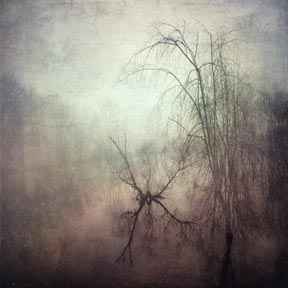
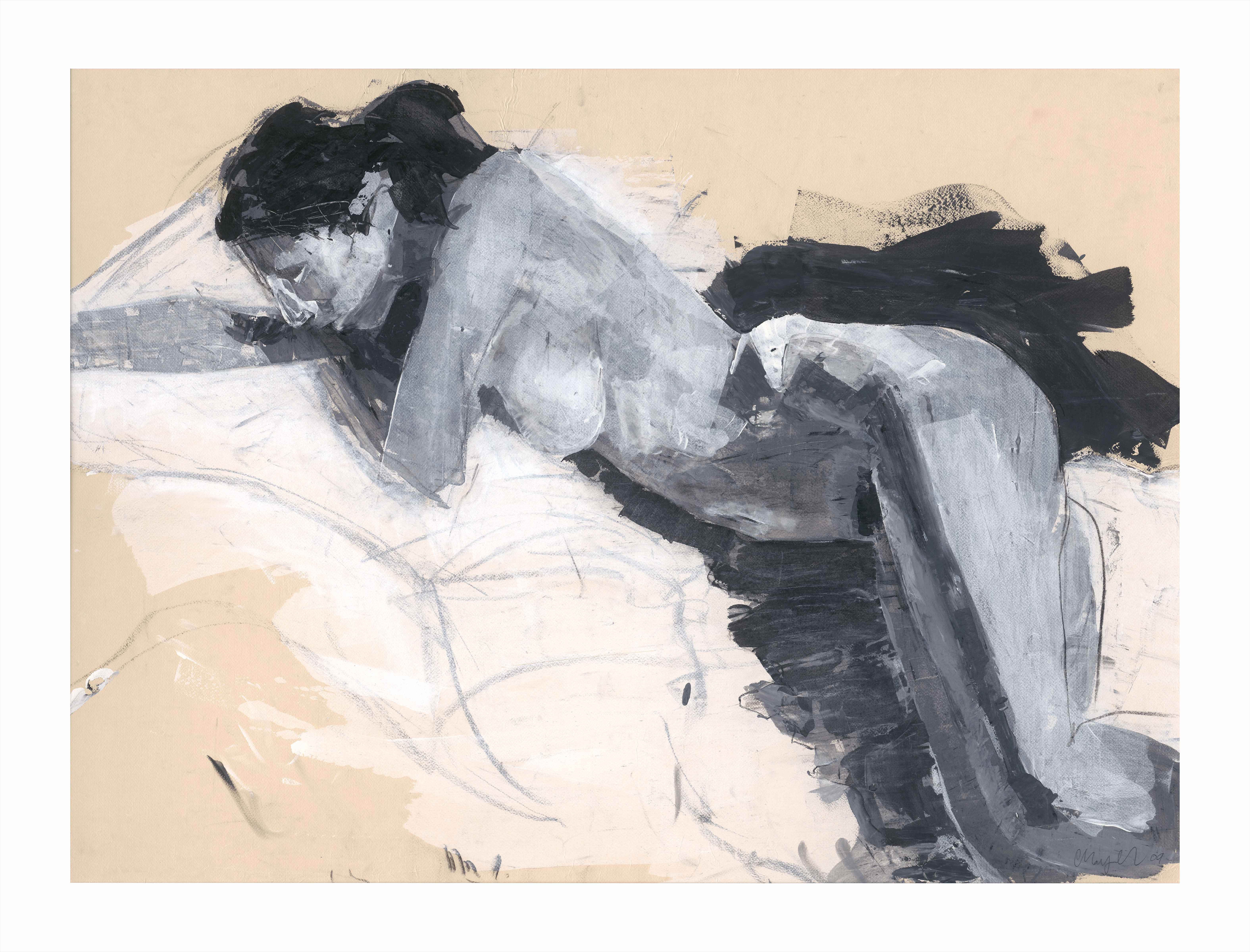
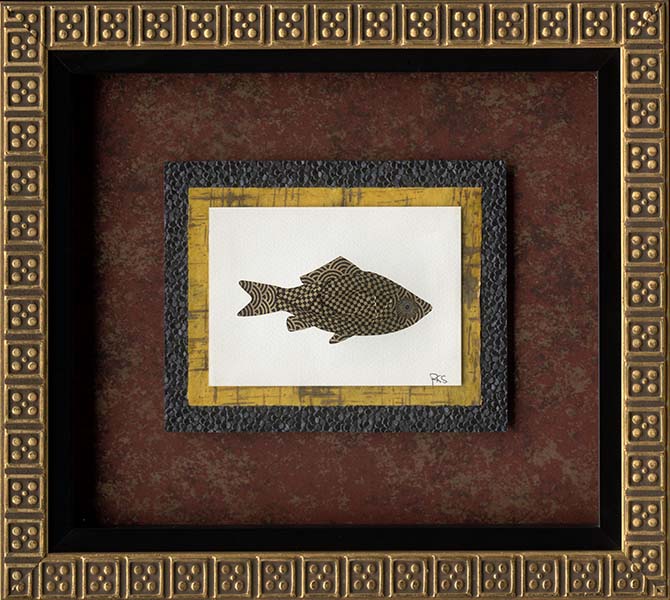
Museum-quality painting reproduction (orig. size above: 36″ x 26″)

Woodcuts, prints, etchings, monoprints, collages (orig. size above: 20″ x 14″)

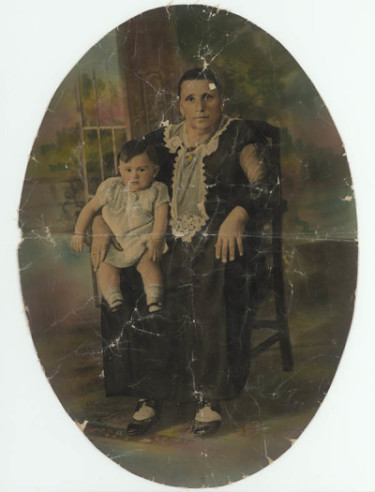
Illustrated manuscripts, historic artifacts (orig. size above: 23″ x 18.5″)

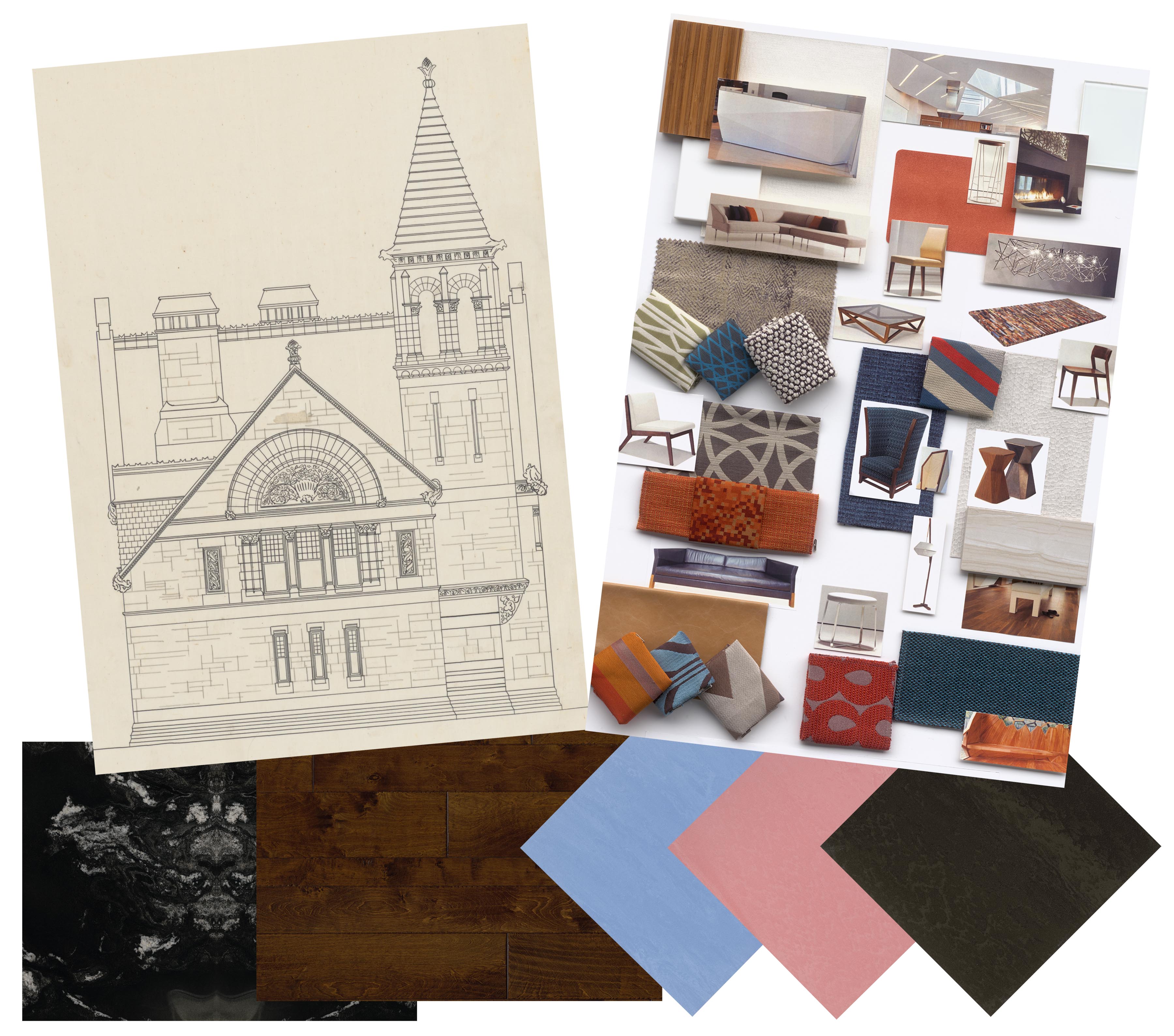
Architectural renderings, blueprints, illustrations (orig. size above: 50″ x 37″)

Oversized charts, maps, wall hangings (orig. size above: 60″ x 42″)

Textiles, tapestry, fabric (orig. size above: 27″ x 36″)

Dimensional objects, surfaces, textures (orig. size above: 19″ x 14.5″)

Body Art, subjects requiring extreme depth of field  (orig. size: 5′ 2″ x 130.5″, depth 10.75″)